Hydraulic cartridge valves are valves that are threaded to screw into other applications. They can refer to directional, pressure, or flow control valves. Cartridge valves can be referred to as slip-in valves. They are small, affordable, and have quick switching rates. Cartridge valves are ideal if you don’t want to worry about leaks when using high-flow equipment. They are useful in multiple industries. Read More…
We are dedicated to providing our customers with the highest quality hydraulic valves available in the industry! Our research and development departments are dedicated to working around the clock in order to keep our products on the leading edge of technological innovations at all times because we know that you rely on the most advanced products in the market! To learn more visit our website...
At Hyseco, Inc., we specialize in hydraulic systems, and our hydraulic valves are at the heart of what we do. We design and manufacture valves that provide reliable flow control, pressure regulation, and directional control for a wide range of industrial and mobile applications.

Hader Industries, Inc. offers a variety of pumps, motors, valves, cylinders. We're your one stop for after market hydraulic services. We also offer machining, re-chroming, honing, fabrication, and many other services. Outstanding customer service is our goal, we're here to provide solutions for your needs. Call or visit our website today for more information.
Founded in 1945, Spencer Fluid Power remains a value added distributor of hydraulic components and systems. Spencer Fluid Power continues to sell and support hydraulic components to a wide array of customer types. Small to large OEM's, timber, mining, construction and oil & gas are just a sample of the numerous industries Spencer supports today.


More Hydraulic Cartridge Valve Manufacturers
How Hydraulic Cartridge Valves Function
Hydraulic cartridge valves are a critical component in modern hydraulic systems, providing precise control of fluid flow and pressure. At their core, cartridge valves are composed of a sleeve (or body), a valve cone (or poppet), and a closed spring. Their compact, modular design allows for easy integration and replacement within manifold blocks or custom hydraulic circuits. This flexibility makes them suitable for a wide range of industrial, mobile, and heavy equipment hydraulic applications.
Pilot-operated check valves with equal areas at both ports have become particularly popular due to their straightforward installation and reliable performance in high-pressure hydraulic systems. When hydraulic fluid enters from either port, it exerts pressure against the poppet, causing it to open and allowing flow in one direction—hence, these valves are unidirectional. Notably, they lack communication holes through the poppet, which means fluid cannot bypass the poppet when closed. During system shutdown, a thin spring holds the poppet securely in place, preventing unwanted leakage. However, this spring is designed to yield easily to system pressure, enabling smooth and efficient operation when the hydraulic circuit is active.
Are you looking for efficient ways to control flow and pressure in your hydraulic system? Understanding how hydraulic cartridge valves operate can help you select the right valve configuration for your specific application. Whether you need to maintain pressure stability, prevent backflow, or enable complex directional control, cartridge valves offer unparalleled versatility and performance.

Types of Hydraulic Cartridge Valves
Single Pilot Operated Check Valves
Single pilot-operated check valves are engineered to block fluid flow in one direction until a designated pilot pressure is applied. This means the internal poppet remains sealed, preventing fluid from returning through the valve unless the required pilot signal is present. Upon reaching the necessary pilot pressure, the valve opens, enabling flow in the reverse direction. This feature is essential for locking dual-acting cylinders in position, which is crucial for load-holding, safety, and precision control in hydraulic actuators.
There are two primary designs: the pilot piston type and threaded cartridge valve type. Both offer reliable performance, but the choice often depends on installation requirements and system design. These valves are widely used in hydraulic presses, lifting equipment, industrial automation, and mobile machinery where load-holding or safety locking is critical.

Flow Control and Flow Divider Valves
Hydraulic flow control valves are essential for regulating flow rates within a hydraulic circuit. By adjusting the amount of fluid that passes through specific parts of the system, operators can control actuator speed, synchronize multiple cylinders, and optimize overall system efficiency. Uncontrolled or excessive speed can damage hydraulic pumps, actuators, or compromise the safety and reliability of the entire system, underscoring the importance of precise flow regulation.
Flow divider valves perform an equally important role by splitting a single hydraulic flow into two or more streams. This is ideal for applications requiring synchronized movement—such as parallel cylinders in industrial presses or vehicle steering systems. Flow dividers can also operate in reverse, combining separate flows into a single return line. High-quality flow control and divider valves maintain accuracy regardless of fluid viscosity or system pressure, making them suitable for demanding industrial, agricultural, and construction machinery applications.
If you’re asking, “How do I improve hydraulic system synchronization or protect components from sudden surges?”—explore our Hydraulic Flow Control Valve Manufacturer Directory for solutions tailored to your needs.

End Stroke Valves
End stroke valves, also known as limit or end-position valves, are designed to relieve pressure at specific points within the hydraulic circuit—typically at the end of an actuator’s stroke. These valves are commonly mounted on branch lines or actuator ports to ensure safe and controlled operation when a cylinder or motor reaches its maximum extension or retraction.
There are two primary models: open and closed. Open models are user-activated and can be operated manually via sliders or levers for straightforward flow adjustment. Closed models, on the other hand, remain shut unless a user deliberately opens them for maintenance or emergency purposes. In both cases, the valve’s design ensures that, when closed, fluid flow is immediately and completely stopped, protecting downstream components from over-pressurization or damage due to excessive force.
Typical applications include industrial automation lines, heavy equipment safety systems, and hydraulic presses—anywhere precise end-of-stroke control is required to maintain safety and reliability. Need help integrating end stroke valves into your hydraulic design? Ask our experts for advice on optimal placement and sizing for your system.

Crossline Relief Valves
Hydraulic crossline relief valves are vital safety devices designed to protect hydraulic systems from excessive pressure. When operating with fixed-volume or positive displacement pumps, pressure spikes can occur due to sudden load changes or blockages. Relief valves automatically vent excess pressure, preventing catastrophic system failure or damage to expensive components such as pumps, hoses, and actuators.
There are two main types of relief valves: direct-acting and pilot-operated. Direct-acting relief valves respond quickly to pressure changes, making them suitable for systems where immediate protection is necessary. Pilot-operated relief valves offer more precise control and can handle higher flow rates, making them ideal for large, complex hydraulic installations.
Wondering which relief valve type is best for your hydraulic equipment? Visit our Hydraulic Relief Valve Manufacturer Directory for a comprehensive selection and expert guidance.

Hydraulic Diverter and Ball Valves
Hydraulic diverter valves and ball valves enable operators to route fluid from a single source to multiple destinations within a hydraulic system. This capability is invaluable for applications like dump trucks, agricultural implements, industrial material handling, and mobile equipment, where rapid switching between hydraulic functions increases productivity.
A typical diverter valve features multiple outlets, allowing one input source to serve several actuators. For example, one outlet can power a primary hydraulic cylinder while another recycles or diverts excess fluid back into the reservoir to minimize waste. Ball valves—ranging from simple two-way shutoff valves to complex six-way solenoid diverters—offer fast, leak-free switching and can be automated for remote operation.
Are you comparing hydraulic diverter and ball valve options for your machinery? Learn how to select the best size, material, and actuator type to maximize system reliability and efficiency.
Common Applications of Hydraulic Cartridge Valves
Hydraulic cartridge valves are widely used across diverse industries due to their compact size, modularity, and robust performance under high pressures and extreme conditions. Here are some common and specialized applications:
- Deep sea and decompression systems: Cartridge valves offer reliable performance in subsea equipment, remotely operated vehicles (ROVs), and underwater drilling platforms, where space constraints and corrosion resistance are critical.
- Assemblies for directional controls: Precision control in industrial automation, robotics, and material handling equipment is achieved using manifold-mounted cartridge valves for smooth and accurate movement.
- Orifice limiters: Used to restrict fluid flow in hydraulic test benches, laboratory equipment, and metering systems, ensuring consistent pressure and flow rates.
- Pressure compensators: Essential for maintaining stable pressure in mobile hydraulic systems, agricultural machinery, and heavy construction equipment, even under fluctuating loads.
- Systems for relieving pressure testing apparatus: Safeguard sensitive instruments and test rigs from pressure spikes and overloads, ensuring operator safety and equipment longevity.
Additional applications for hydraulic cartridge valves include:
- Mobile equipment: Excavators, loaders, cranes, and forestry machinery rely on cartridge valves for precise movement and load control.
- Energy sector: Wind turbines, oil rigs, and power plants use cartridge valves for critical safety and control functions.
- Manufacturing automation: Stamping presses, injection molding machines, and CNC equipment utilize cartridge valves for repeatable, high-speed actuation.
- Transport and logistics: Forklifts, logistics platforms, and airport ground support vehicles employ cartridge valves for safe lifting and handling.
- Mining and tunneling: Robust, high-pressure cartridge valves withstand abrasive environments and heavy-duty cycles in mining hydraulics.
Benefits of Hydraulic Cartridge Valves
Choosing hydraulic cartridge valves delivers numerous advantages for system designers, integrators, and end users. Here are some of the most compelling benefits:
- Compact, space-saving design: Cartridge valves are ideal for manifold mounting, reducing overall system footprint and enabling complex circuits within tight enclosures.
- High reliability and long service life: Designed for high-pressure, high-cycle applications, cartridge valves offer minimal leakage and excellent resistance to wear and contamination.
- Flexible system configuration: Modular construction allows for easy customization, scalability, and quick replacement or repair, minimizing downtime and maintenance costs.
- Enhanced performance: Precision machining and high-quality materials ensure fast response times, consistent pressure regulation, and superior flow control.
- Cost-effectiveness: Reduced installation labor, simplified plumbing, and lower maintenance requirements contribute to overall cost savings in both new systems and retrofits.
- Energy efficiency: Accurate flow and pressure control reduce energy consumption, heat generation, and hydraulic fluid losses, supporting sustainability goals.
If you’re considering an upgrade or new installation, evaluate the potential cost savings and efficiency improvements of switching to cartridge valve technology over traditional inline or subplate-mounted valves.
Key Decision Factors for Selecting Hydraulic Cartridge Valves
When selecting hydraulic cartridge valves for your project or equipment, several critical factors should guide your decision-making process. These include:
- System pressure and flow requirements: Ensure the valve’s rated pressure and flow capacity align with your application’s maximum demands.
- Valve function and application: Choose the correct valve type (check, relief, flow control, diverter, etc.) based on your system’s operational needs.
- Mounting style and size: Verify compatibility with existing manifold blocks or custom hydraulic circuits, considering cavity dimensions and port configurations.
- Material compatibility: Select corrosion-resistant materials (such as stainless steel or brass) for harsh or specialized environments.
- Response time and accuracy: For high-speed automation or safety-critical applications, prioritize valves with fast switching and precise control characteristics.
- Maintenance and serviceability: Opt for cartridge valves with standardized dimensions and accessible replacement parts to streamline repairs and minimize downtime.
- Certification and compliance: Confirm the manufacturer’s adherence to industry standards (ISO, CE, RoHS) and any sector-specific regulations.
Choosing the Proper Hydraulic Cartridge Valve Manufacturer
Selecting the right hydraulic cartridge valve manufacturer is essential for ensuring product quality, technical support, and long-term system reliability. Here’s how to make an informed choice:
- Assess technical capabilities: Evaluate each manufacturer’s experience, certifications, and ability to supply custom or off-the-shelf solutions for your unique requirements.
- Request detailed quotations: Take advantage of our contact forms and simple RFQ tools to request pricing, lead times, and technical data directly from multiple suppliers.
- Review customer feedback: Check client testimonials, case studies, and references to gauge each company’s reputation for quality, delivery, and after-sales support.
- Use our website previewer: Quickly access each supplier’s website and product information, streamlining your research and decision-making process.
Ready to source hydraulic cartridge valves for your project? Start your search with our manufacturer directory or submit a request for quote to contact multiple suppliers at once.
Frequently Asked Questions About Hydraulic Cartridge Valves
- What are hydraulic cartridge valves used for? They are used for controlling flow, pressure, and direction of hydraulic fluid in industrial, mobile, marine, and energy applications.
- How do I select the right cartridge valve? Consider system pressure, required flow rate, valve function, mounting style, and environmental conditions. Consult application engineers for complex requirements.
- Can cartridge valves be serviced or replaced easily? Yes—thanks to their modular design, cartridge valves can be swapped out quickly, reducing downtime and simplifying maintenance.
- Are cartridge valves suitable for high-pressure or high-flow systems? Absolutely. Many models are rated for pressures exceeding 5000 psi (350 bar) and flow rates up to hundreds of liters per minute.
- What standards do leading manufacturers follow? Look for ISO, CE, and RoHS certifications, as well as compliance with sector-specific standards for safety and performance.
Enhance Your Hydraulic Systems with Cartridge Valve Solutions
Hydraulic cartridge valves are the backbone of efficient, reliable, and scalable hydraulic systems in today’s demanding industrial and mobile environments. Their unique combination of compactness, durability, and versatility makes them the preferred choice for engineers, maintenance professionals, and equipment manufacturers worldwide. Whether you are modernizing an existing system, building new machinery, or troubleshooting performance issues, choosing the right hydraulic cartridge valve is critical to achieving optimal results.
Need expert guidance or wish to compare top cartridge valve brands? Explore our manufacturer directory and access industry-leading resources to ensure your system’s success.
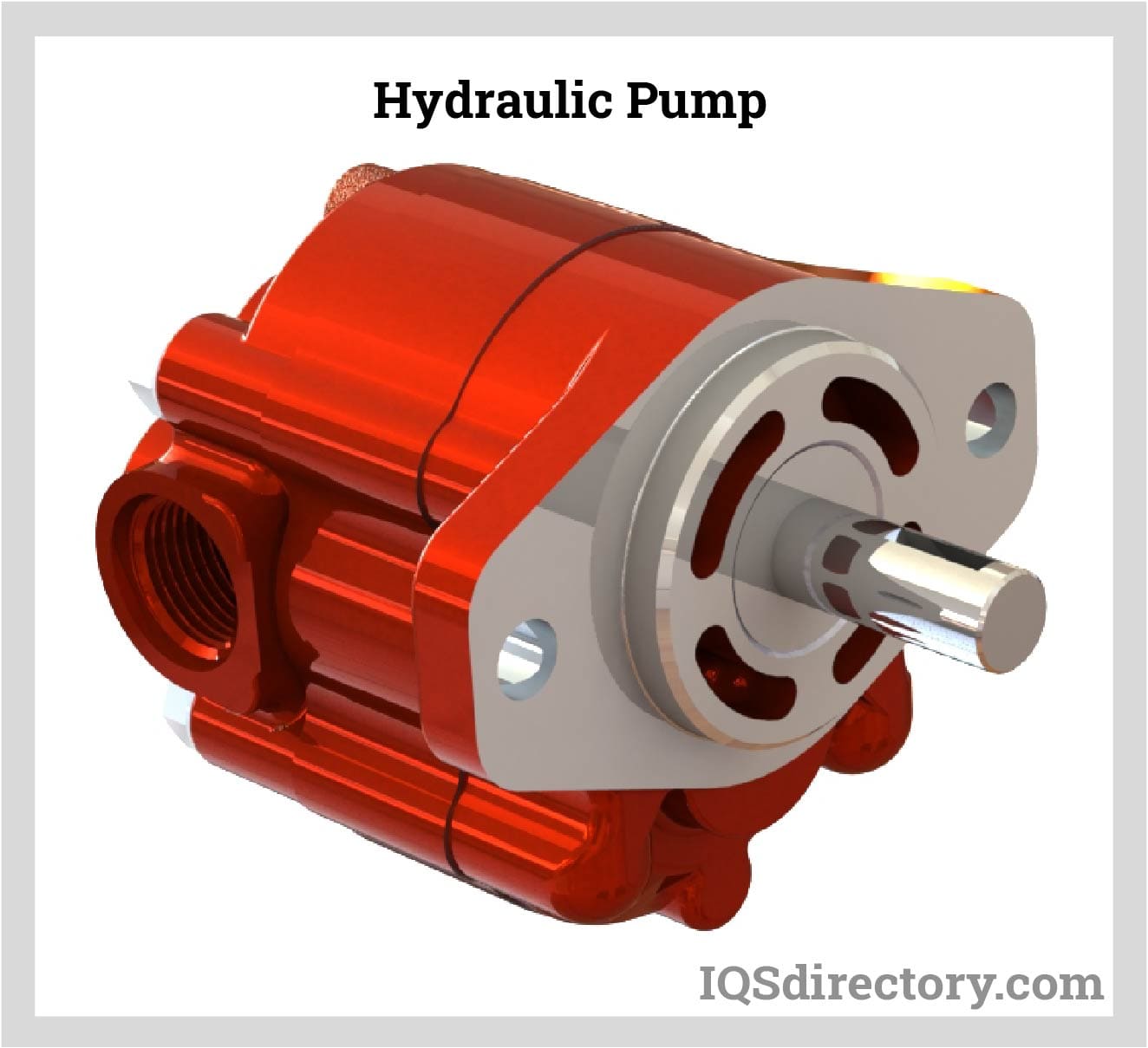
 Hydraulic Cylinders
 Hydraulic Lifts
 Hydraulic Motors
 Hydraulic Presses
 Hydraulic Pumps
 Hydraulic Seals
 Hydraulic Valves
 Castings & Forgings
 Bulk Material Handling
 Electrical & Electronic Components
 Flow Instrumentation
 Hardware
 Material Handling Equipment
 Metal Cutting Services
 Metal Forming Services
 Metal Suppliers
 Motion Control Products
 Plant & Facility Equipment
 Plant & Facility Supplies
 Plastic Molding Processes
 Pumps & Valves
 Recycling Equipment
 Rubber Products & Services